A little maintenance each season can add years to your roof and prevent the expensive repairs Utah weather is known for causing. Here's exactly what to do — and when.
Utah homeowners deal with four distinct seasons of stress on their roofs: spring snowmelt and rain, summer UV and occasional hail, fall debris and temperature swings, and winter snow loads and ice dams. A simple seasonal maintenance routine can catch small issues before they become expensive problems — and add 5–10 years to your roof's life. The National Roofing Contractors Association recommends at least one professional inspection per year for exactly this reason.
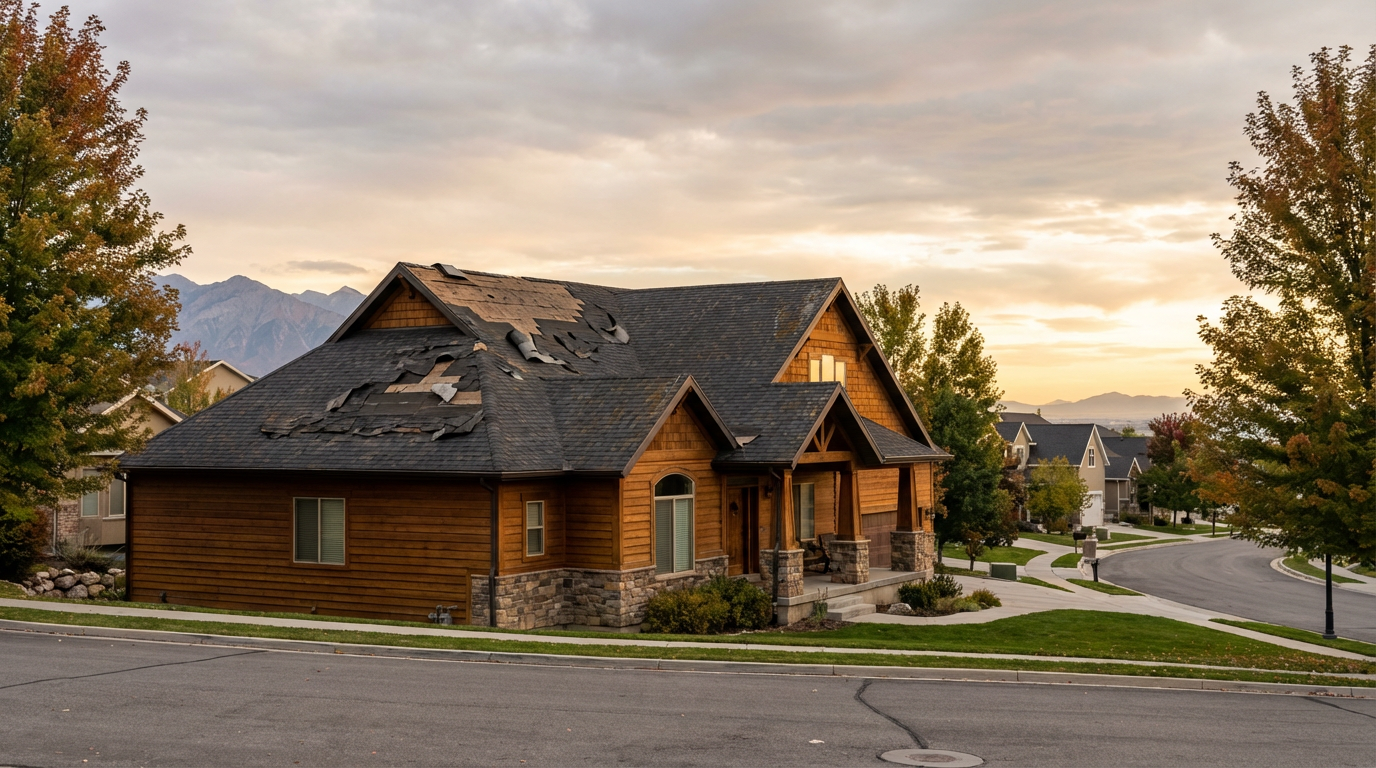
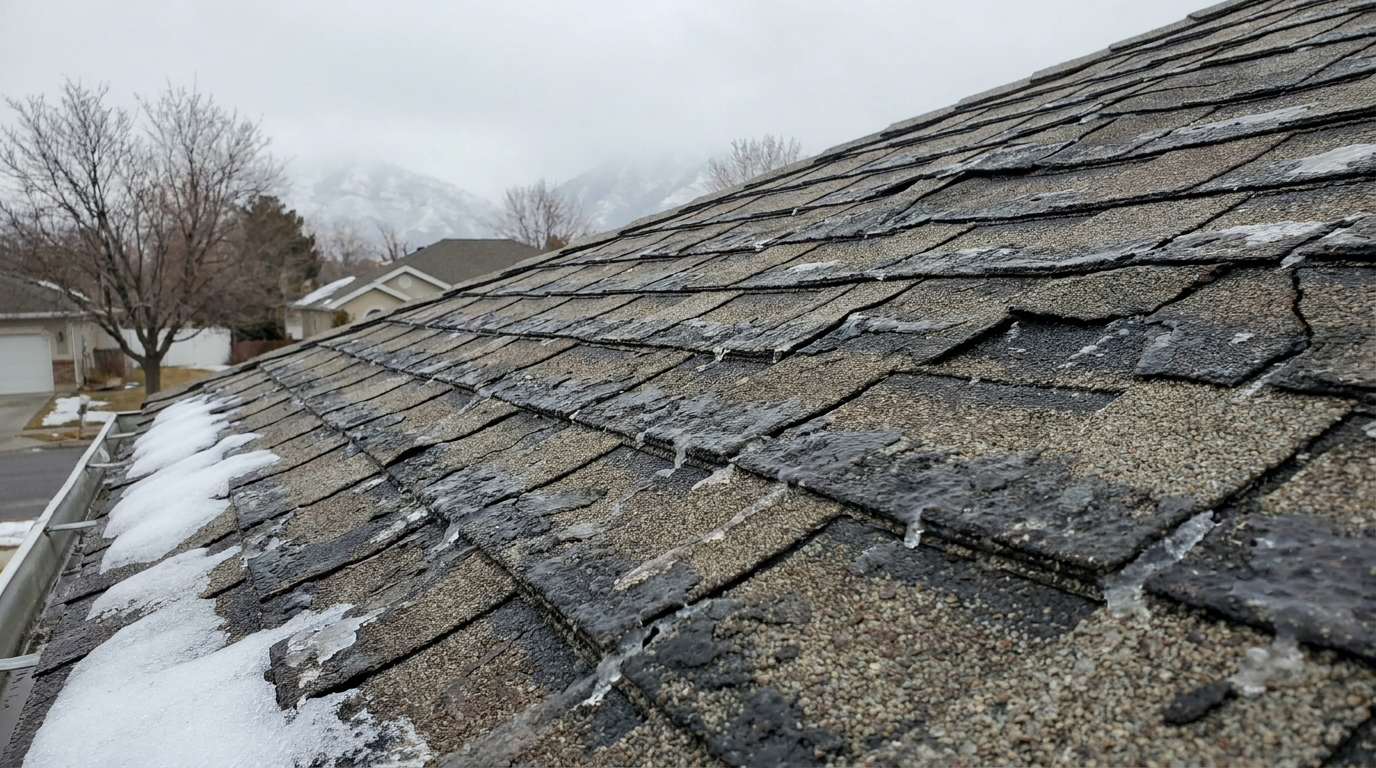
Spring (March–May): This is the most important inspection window. After winter, check for: cracked or missing shingles caused by freeze-thaw cycles, damaged flashing around chimneys and vents, granule loss in gutters from snowmelt runoff, and any areas where water may have pooled under snow. If you had significant snowfall or ice this winter, a professional inspection is worth every penny.
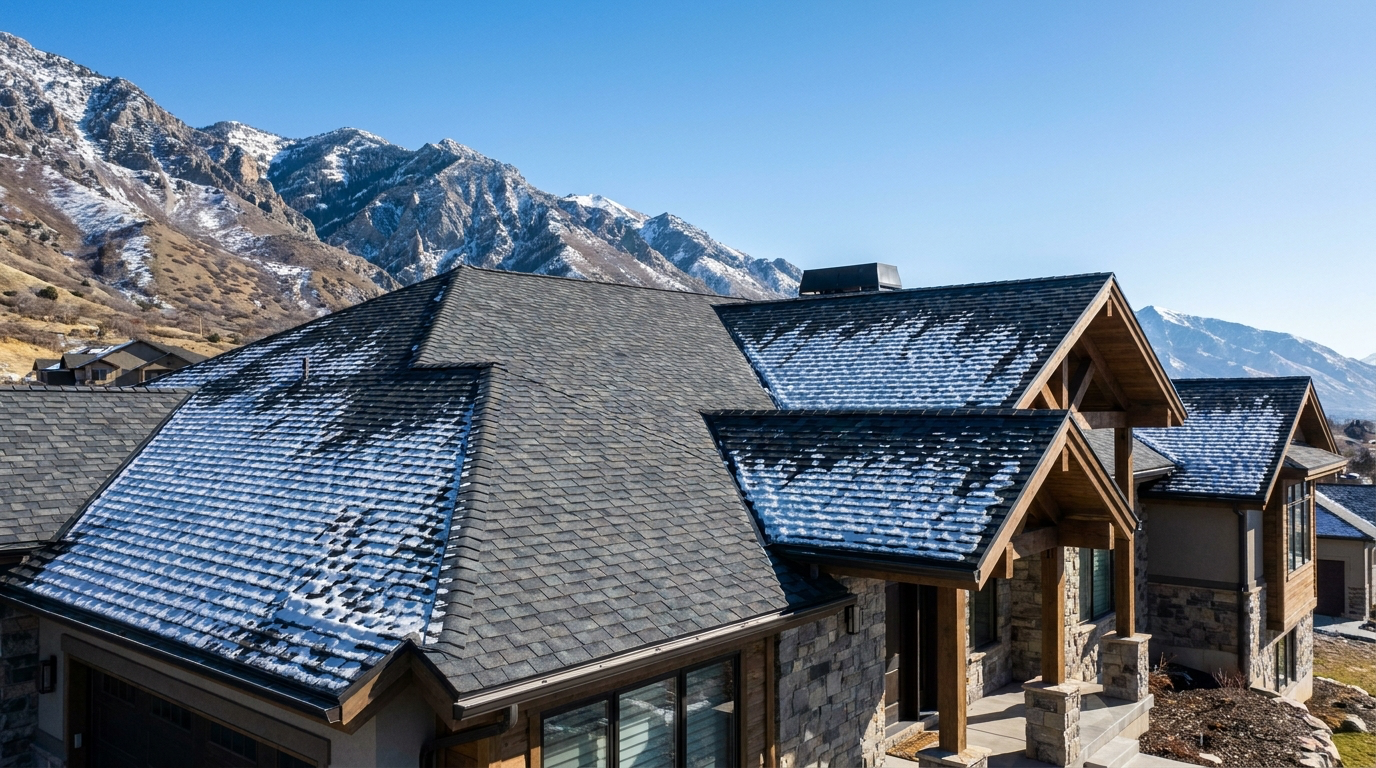
Summer (June–August): Focus on heat and UV damage. South-facing slopes take intense radiation all summer. Check for blistering or warping shingles. Clear any debris (leaves, pine needles, branches) from the roof surface and valleys — debris traps moisture even in dry summer months. Trim any overhanging branches that could damage your roof or deposit debris.
Fall (September–November): Your pre-winter prep window. Clean gutters thoroughly — clogged gutters in winter cause ice dams that force water under your shingles. Check all seals around penetrations (vents, skylights, chimneys). Make sure your attic ventilation is functioning properly — poor ventilation is one of the leading causes of ice dam formation, a connection ENERGY STAR also highlights in its guidance on roof and attic performance.
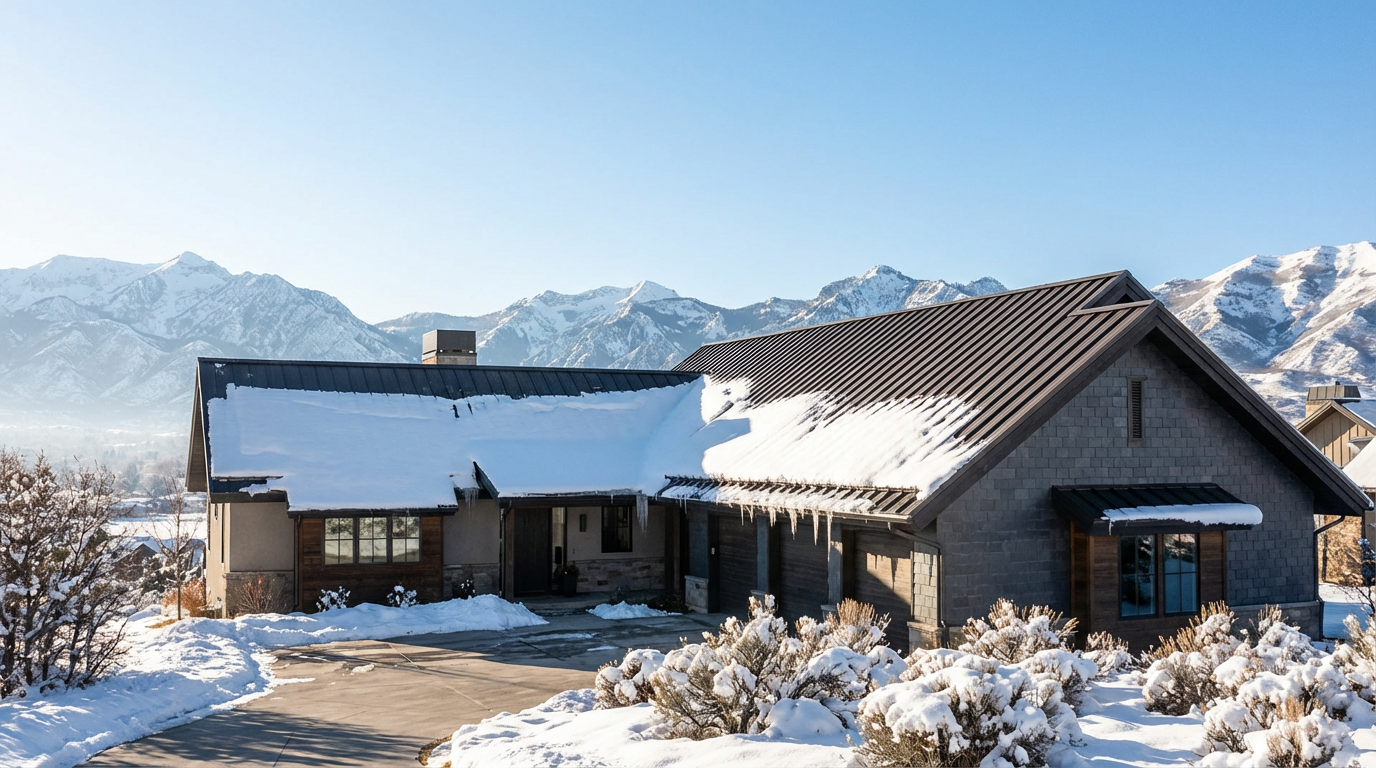
Winter (December–February): Avoid walking on your roof in winter — it's dangerous and can crack cold shingles. After major snowstorms, use a roof rake to remove excess snow from the lower 3–4 feet of your roof if ice dams are a recurring issue. If you see icicles forming or water dripping in from the roofline, call us — this is a sign of an active ice dam.
When to Call a Professional: Schedule a professional inspection once a year (spring is ideal) and always after a hailstorm, major windstorm, or unusually heavy snow season. See our 7 warning signs your roof needs replacing if you're not sure whether a repair or a full replacement makes more sense. Summit Roofing offers free roof inspections for homeowners across the Wasatch Front. We'll give you an honest assessment and a photo report — no obligation, no pressure.
Written by
Summit Roofing Team
Roofing Specialists · Summit Roofing LLC
Summit Roofing serves homeowners and businesses across Salt Lake City and the Wasatch Front with expert roofing installations, repairs, and inspections.
Ready to get started?
Get a Free Roofing Estimate
- No obligation, 100% free
- Same-day response
- Licensed & insured team